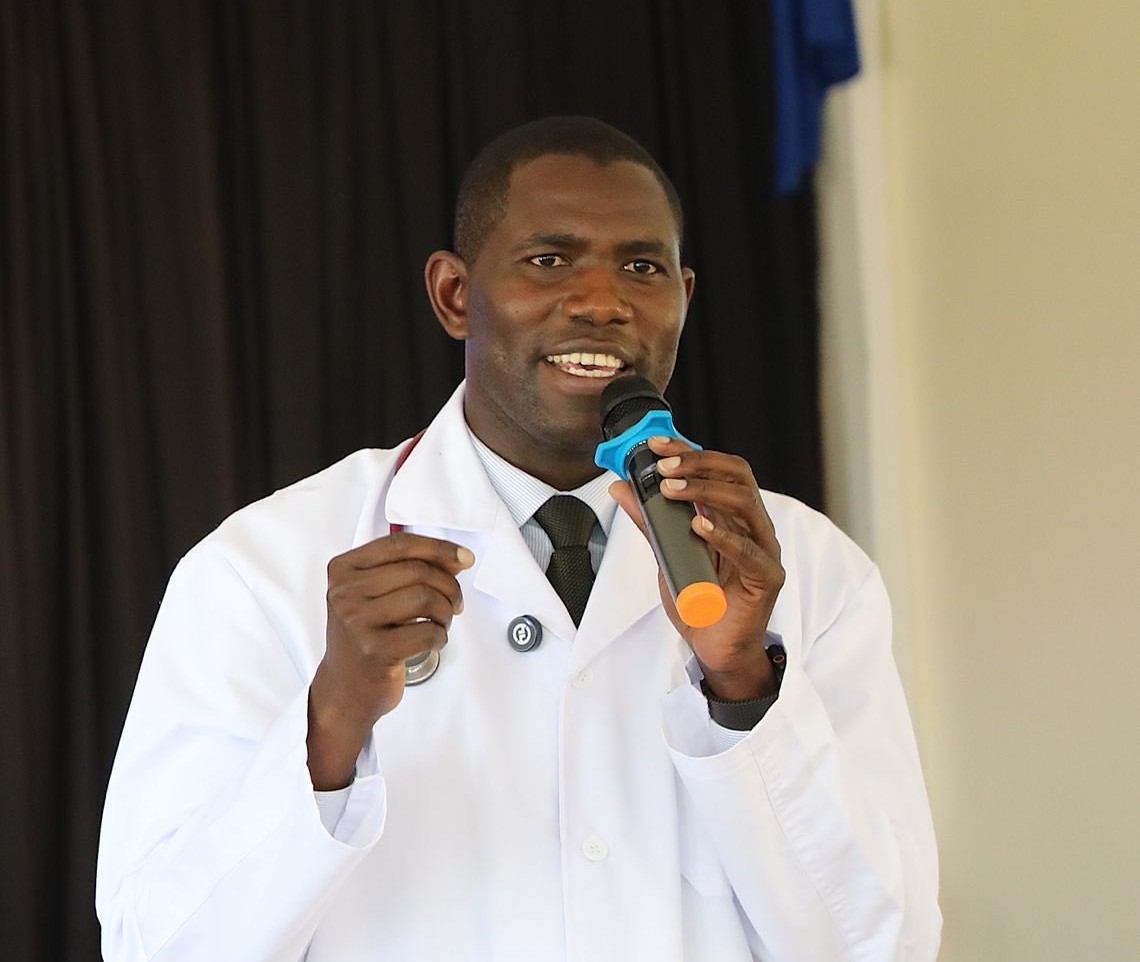
The government has reaffirmed its commitment to strengthening cancer care in Kenya, with a renewed focus on improving patient experience and treatment outcomes, Principal Secretary for Medical Services Dr. Ouma Oluga has said.
He insisted that addressing the growing cancer burden requires a people-centred health system supported by innovation, research, training and strengthened clinical pathways.
“We have been given a duty to do only two things to make the experiences of our patients better and to improve outcomes,” Oluga said.
The PS was speaking during the 2nd Artificial Intelligence in Health Workshop held at Kenyatta National Hospital (KNH) to mark World Cancer Day.
He noted that World Cancer Day provides an opportunity not only to renew national efforts on cancer prevention, early detection and improved care, but also to remember lives lost to the disease.
According to the Principal Secretary, cancer remains a major global health challenge, with Kenya experiencing a rising burden due to increased life expectancy and the shift from communicable to non-communicable diseases.
Oluga raised concern over delays in diagnosis, revealing that many cancer patients in Kenya take up to five months to receive a confirmed diagnosis.
He attributed this to symptoms that often mimic other illnesses and missed opportunities for early detection at primary healthcare facilities.
“From every single dispensary, any health professional engaging with a patient must maintain a high index of suspicion,” he said, stressing the need for vigilance among frontline health workers.
He added that early detection efforts must be anchored in patient-centred care and empathy to ensure thorough clinical assessment.
“You cannot have a high index of suspicion without empathy,” Oluga said.
The Principal Secretary highlighted progress made under the government’s medical equipment programme, noting that 84 public hospitals across the country have been equipped with mammography machines to support breast cancer screening.
However, he emphasised the need for better utilisation of the equipment through effective referral systems and consistent follow-up to ensure patients access timely care.
Oluga also pointed to cervical cancer as a major concern, describing it as the second most common cancer in Kenya.
He said many women continue to seek treatment at advanced stages of the disease, complicating management and increasing costs.
“When patients present late, treatment becomes more expensive and referral facilities such as Kenyatta National Hospital come under immense pressure,” he said.
He called for strengthened national efforts to improve cancer prevention, early detection and timely treatment, noting that progress will depend on improved service delivery at all levels of the health system.
According to Oluga, integrating innovation, including artificial intelligence, with compassionate care and strong clinical pathways will be critical in reducing the country’s cancer burden.
The Principal Secretary reiterated that sustained collaboration across the health sector is essential to ensuring that cancer patients receive timely, high-quality and dignified care.































Comments
Sign in with Google to comment, reply, and like comments.
Continue with Google